My Role
Simplified VR onboarding for virtual events, reducing user resistance and improving retention in high-friction metaverse experiences.
Company
Magnid VR
Industry
XR event management
When I joined the Magnid-VR in Munich, our challenge was clear: Their VR onboarding was bleeding users before they ever saw its value.
Magnid, a corporate event platform, was pivoting into VR, but early testing revealed a steep drop-off. First-time attendees felt disoriented, overwhelmed, and disconnected, often quitting before they experienced the features. As one of 8 designers selected globally for UnternehmerTUM’s Digital Product School, I led the redesign of Magnid’s VR onboarding to make the experience more intuitive and reduce churn from the very first session.
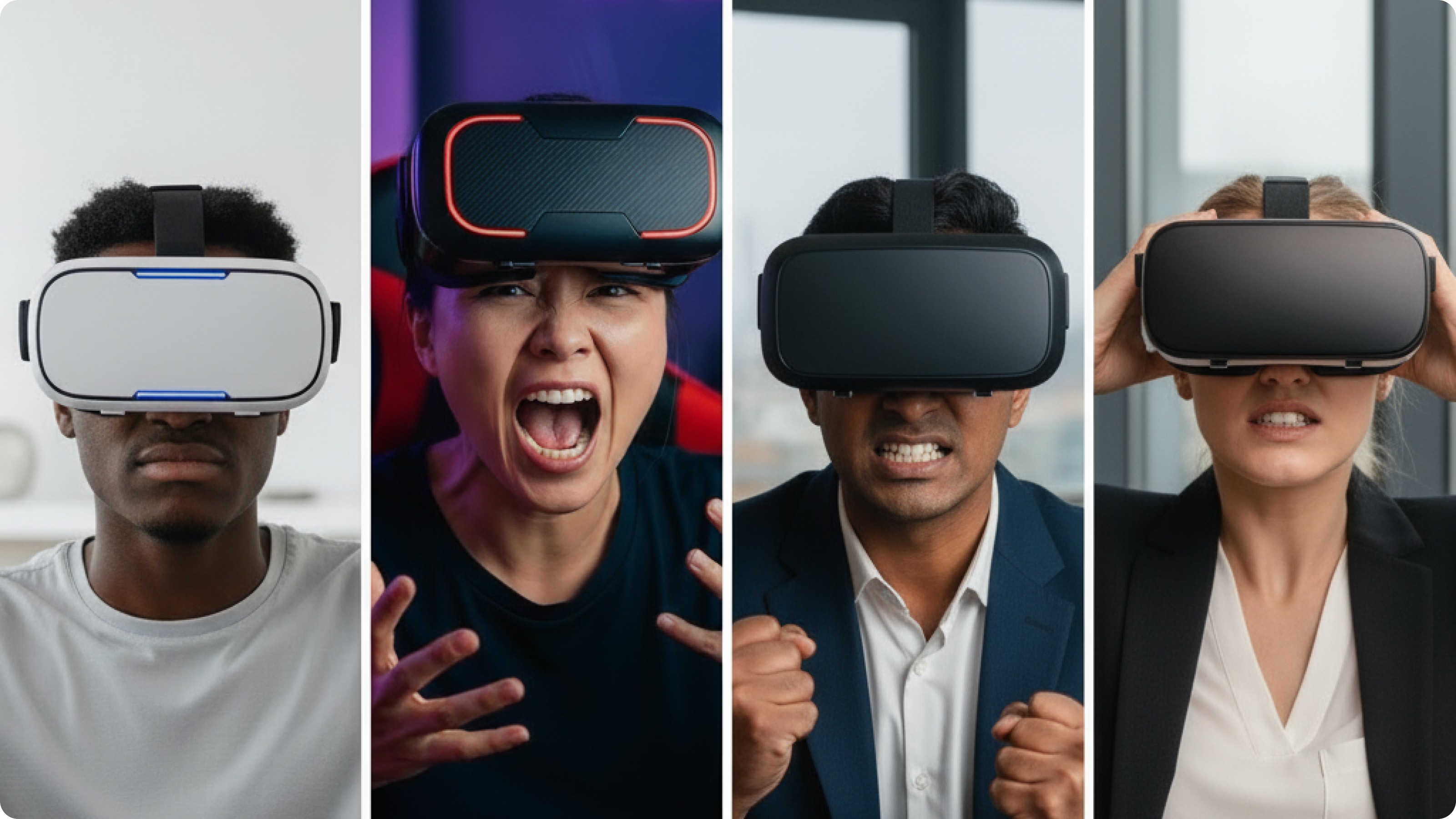
Retention plummeted as users felt lost, nauseous, and disconnected
Our early research combined on-platform analytics with over 200 qual and quant data. Users frequently dropped off within 30 minutes of entering the VR space. Common triggers included physical discomfort, social overwhelm, unclear navigation, and a lack of contextual prompts. The experience lacked orientation, emotional grounding, and basic spatial guidance, leaving users confused rather than curious.
I led the UX strategy to make VR onboarding more intuitive, human, and built for engagement.
As the immersive designer, I led research, interaction design, and prototyping to reduce drop-off in the first 30 minutes. We simplified onboarding, oriented users fast, and made interactions feel natural inside the world. Beyond Figma, we prototyped in Unity and Blender, then ran headset playtests to validate changes. Partnering with PMs and developers, I translated cognitive, social, and physical friction into clear, testable patterns, so fixes matched how people actually moved, hesitated, and disengaged.
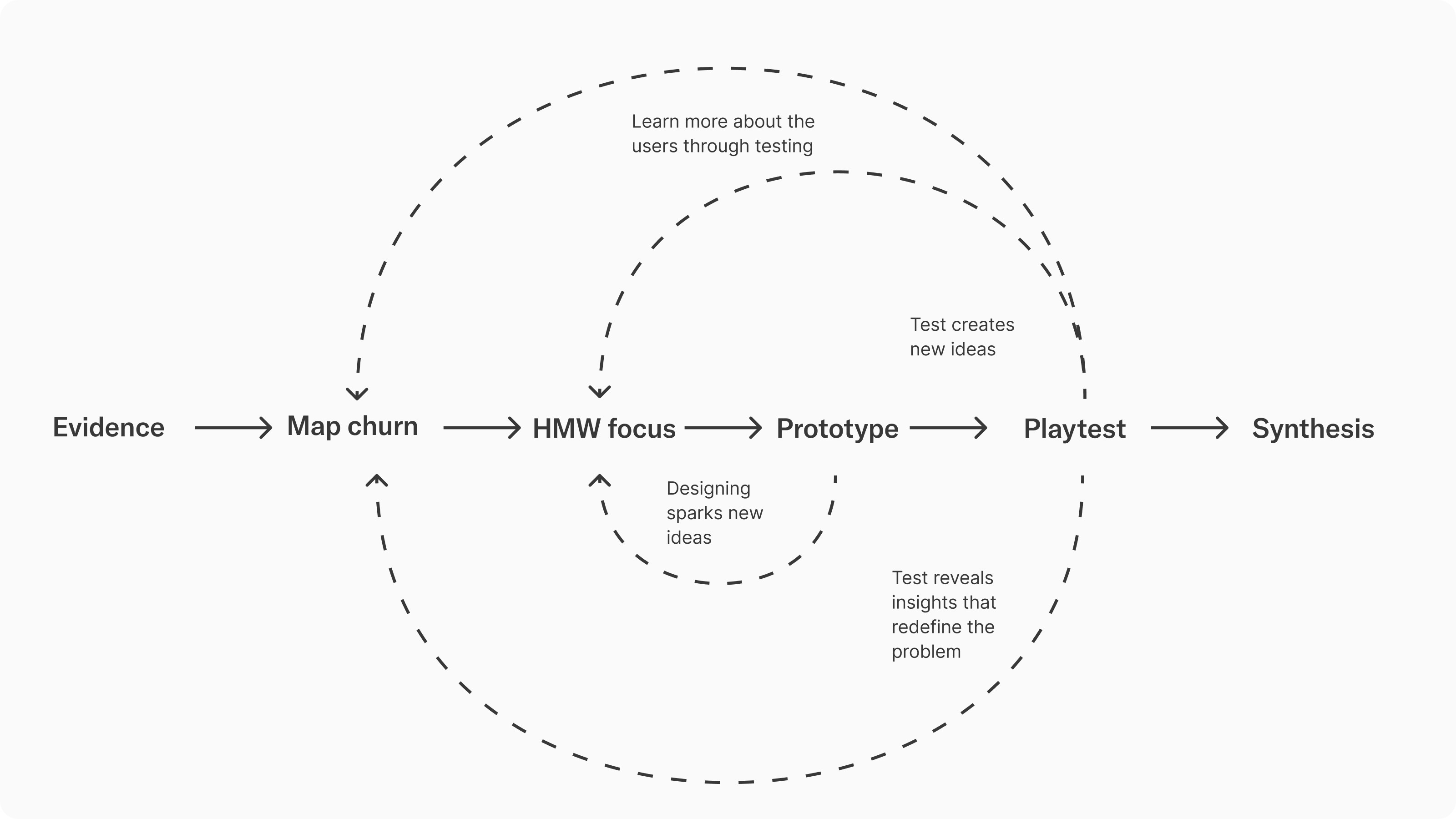
Instead of rebuilding the entire system, we focused on creating signature moments that tackled the exact points where users dropped off.
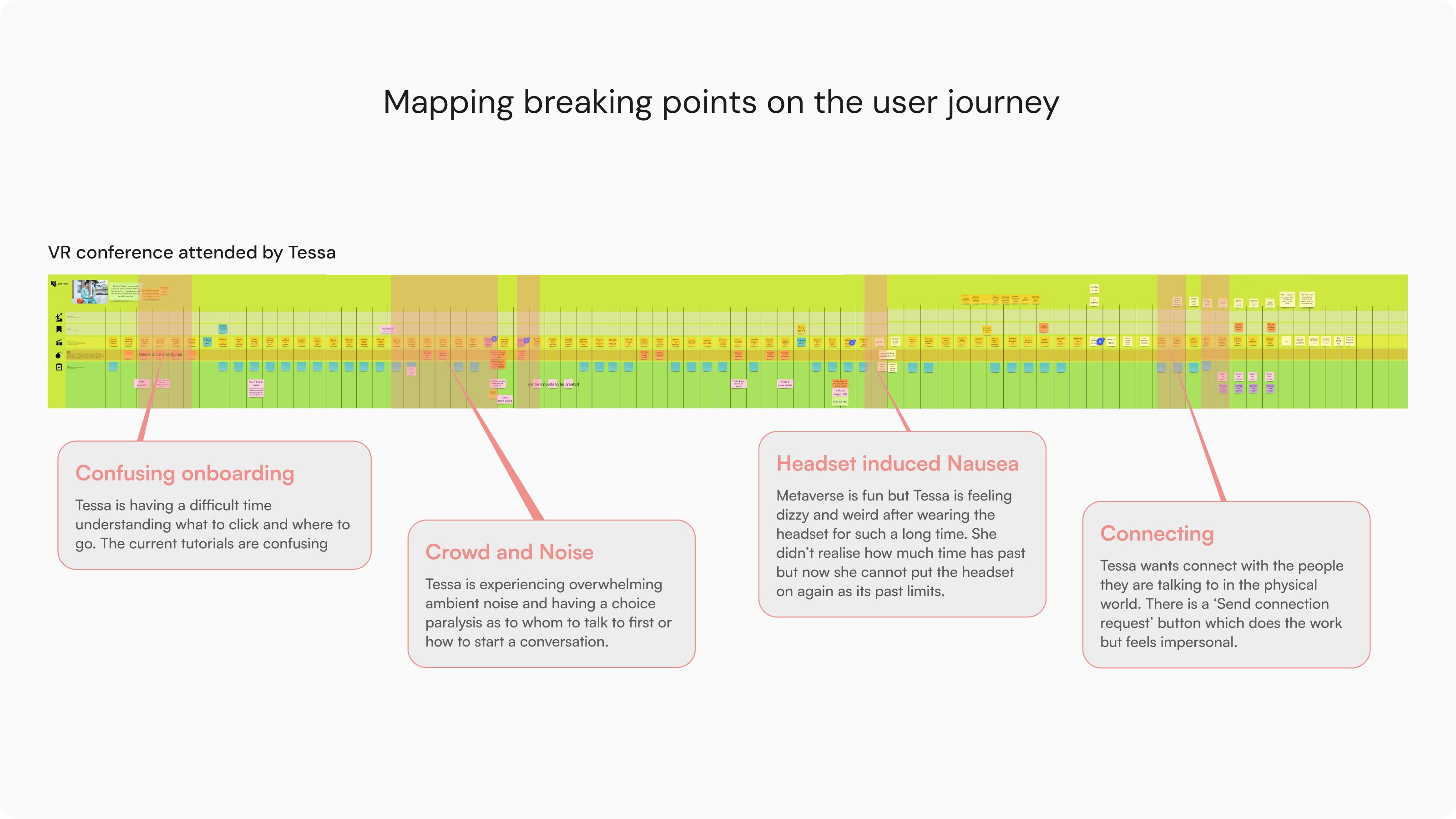
We conducted journey mapping alongside qualitative interviews to identify the exact drop-off points. Three patterns stood out: users felt disoriented during onboarding, overwhelmed in shared spaces, and fatigued from prolonged headset use. These weren’t isolated bugs; they were emotional blockers that made users feel anxious or lost. Rather than overhaul the entire experience, we focused on the highest-friction moments and asked
"what would make this exact moment feel effortless, or even memorable?"
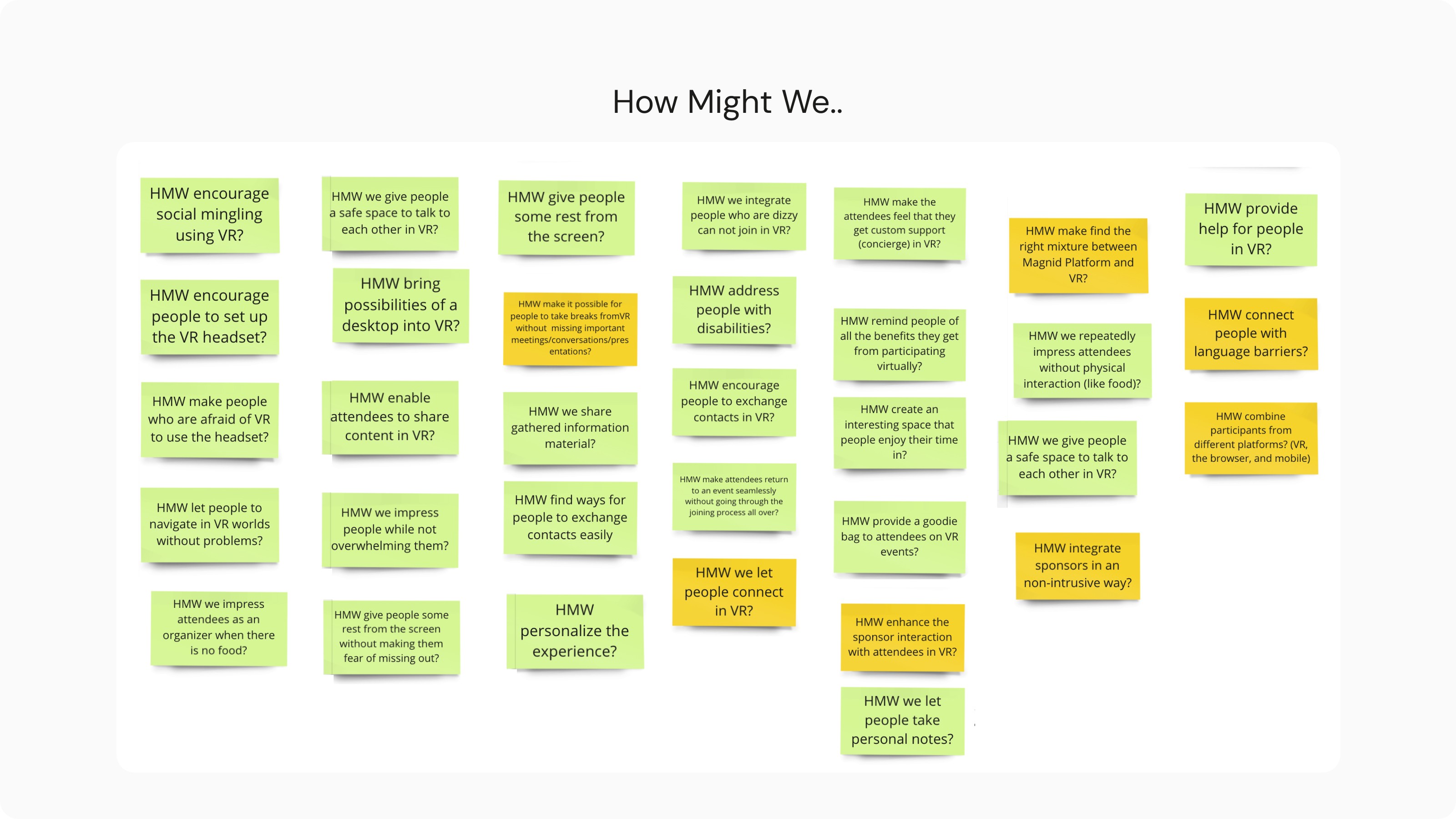
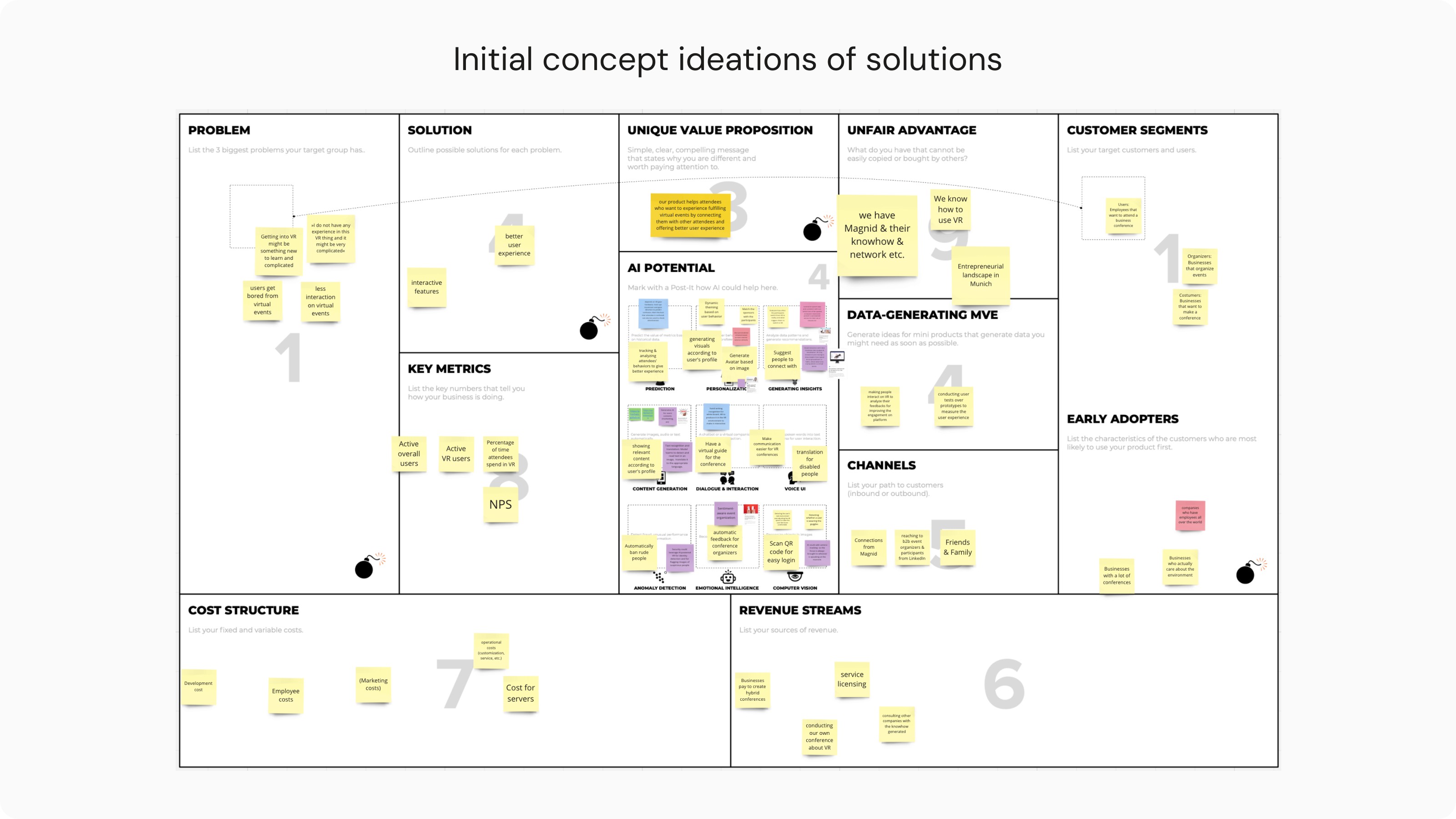
Every interaction we designed answered one question: How do we make VR feel less alien?
Each feature was designed to intercept churn at its exact trigger point. Orientation cues addressed early disorientation, lightweight social tools reduced crowd anxiety, and timed prompts helped manage headset fatigue. Instead of overhauling the entire platform, we created signature moments that made VR feel more intuitive and human. In tests, these interventions cut early exits and encouraged longer, more confident sessions.
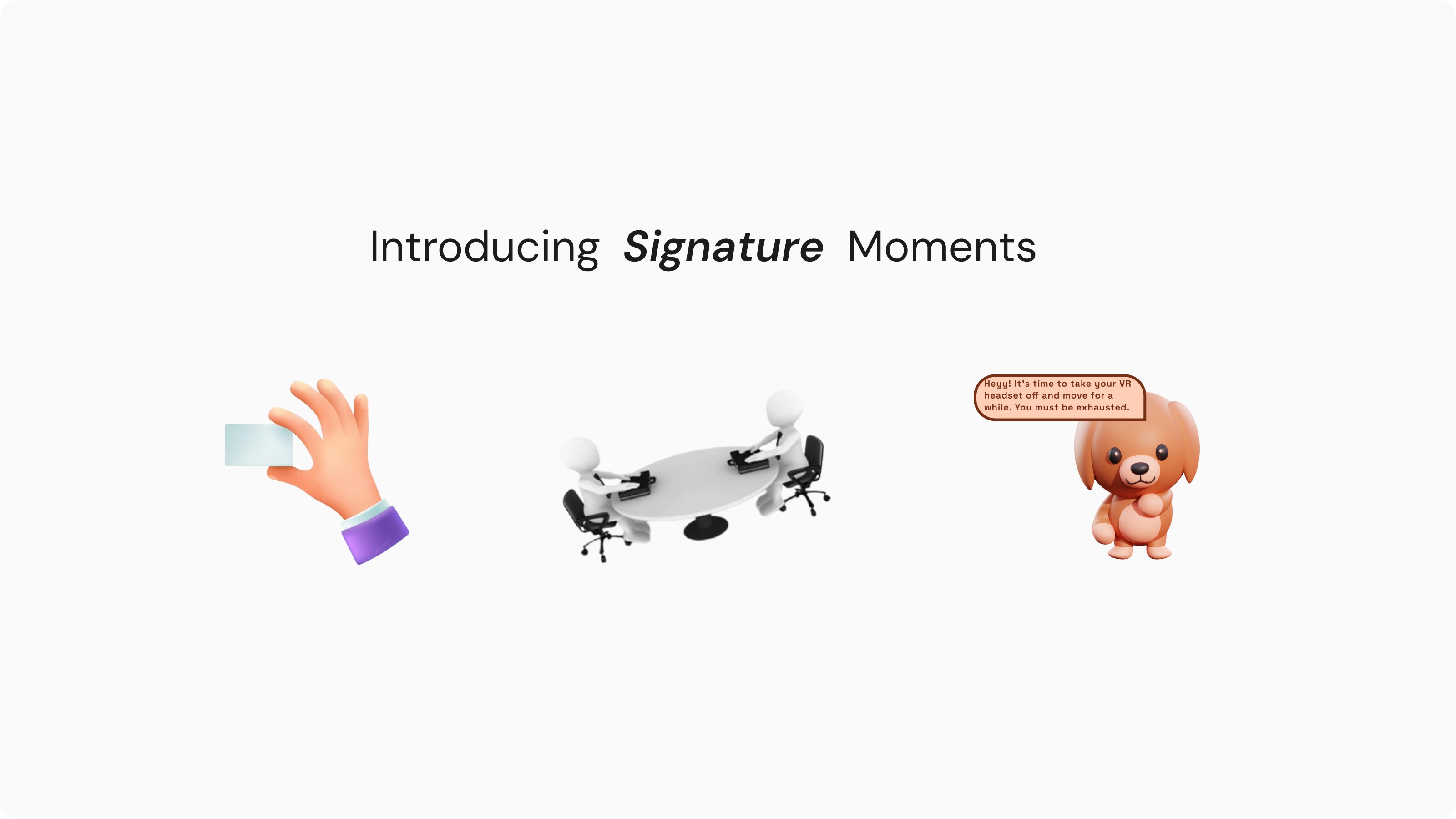
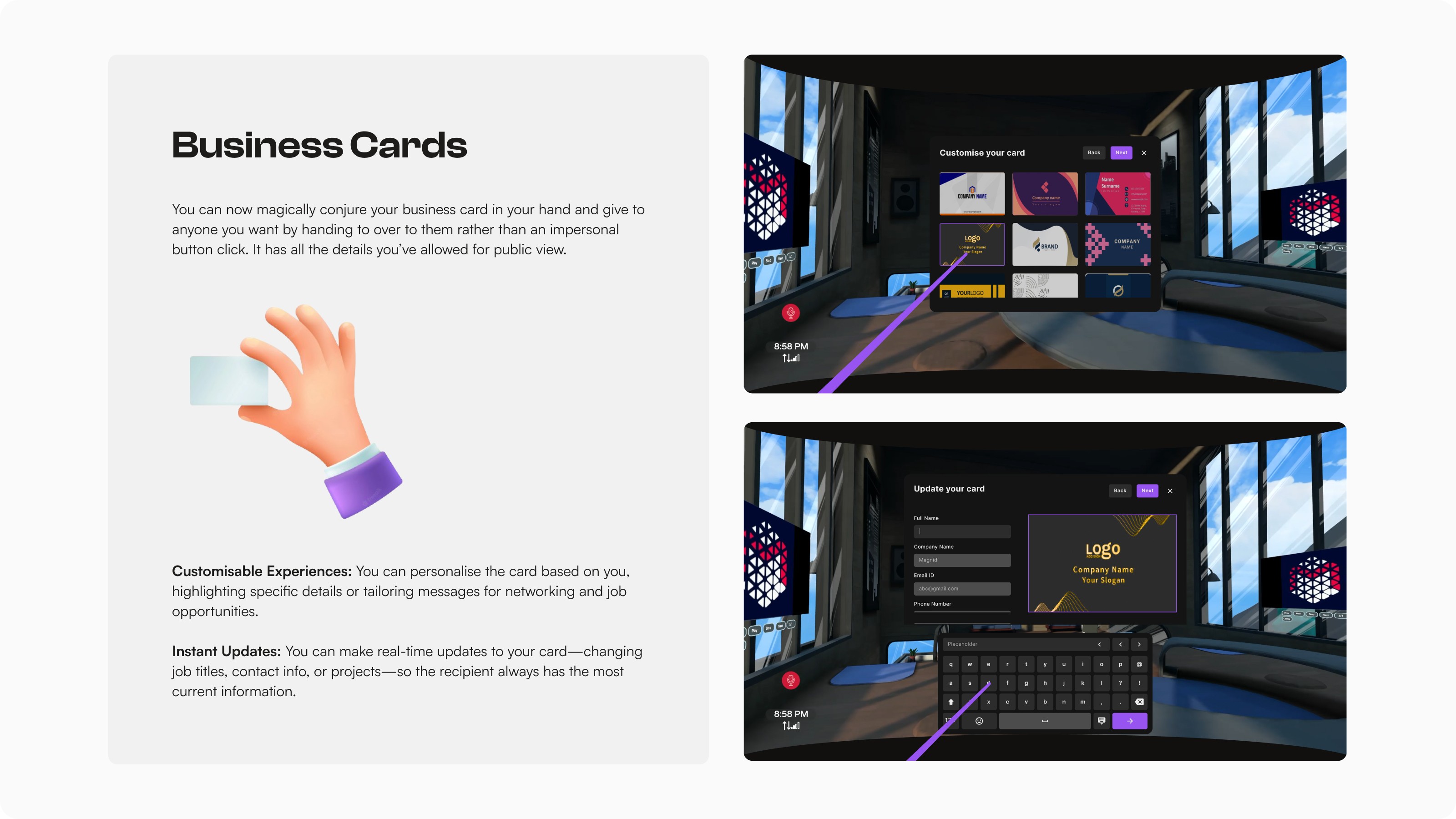
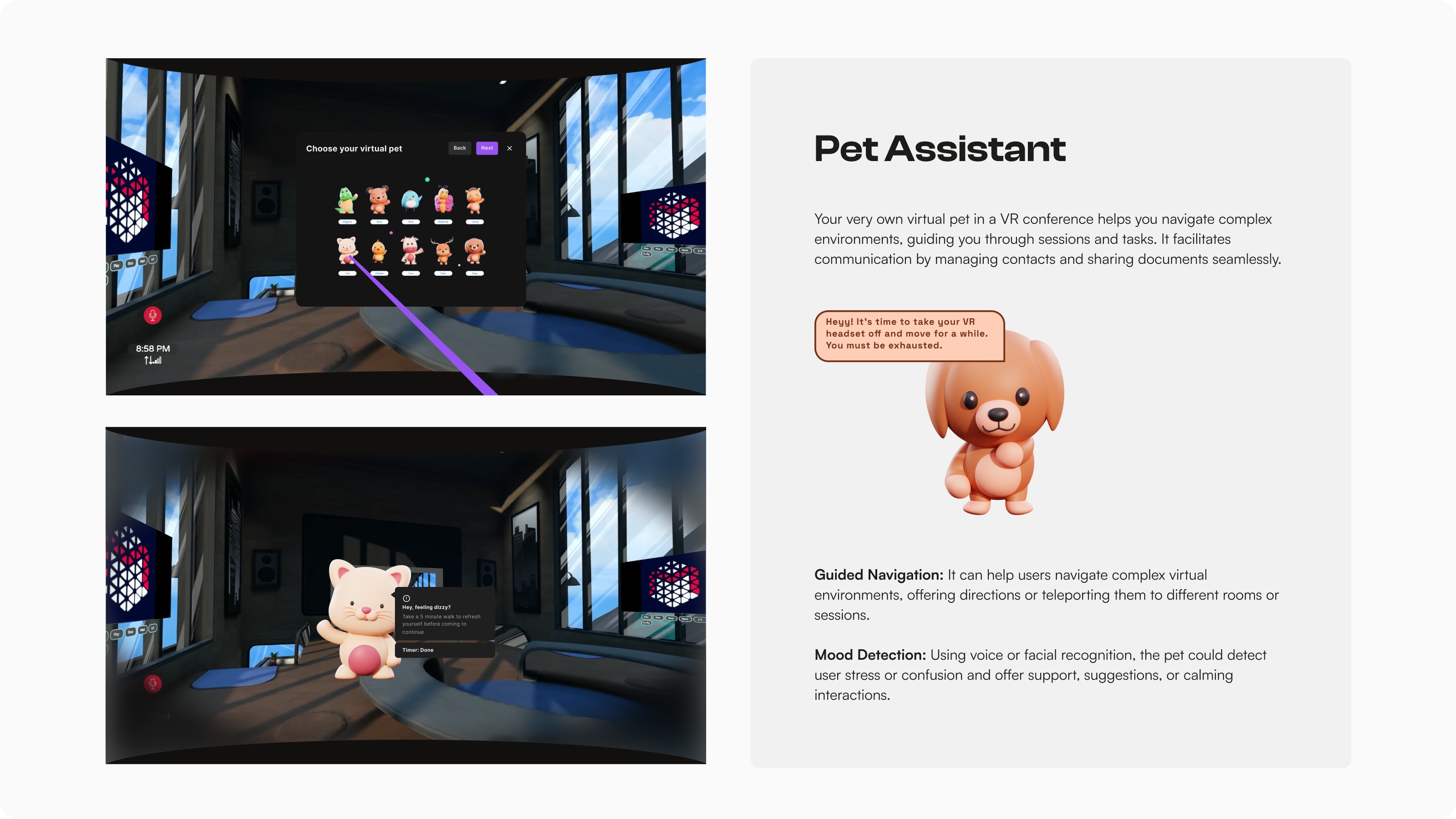
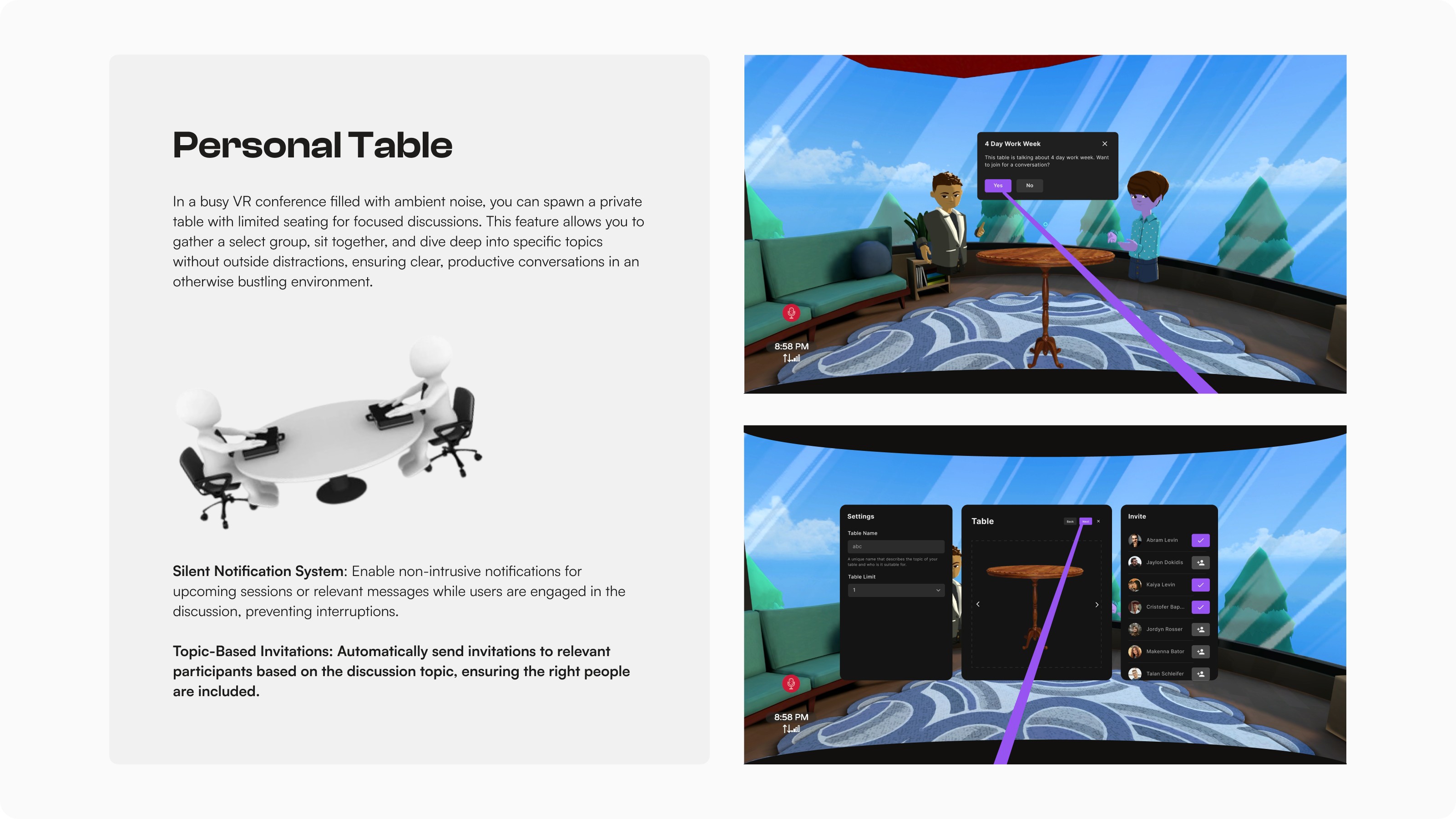
As a result, we saw fewer early exits, longer sessions, and clearer first interactions.
In user tests, the new signature moments significantly lowered early exits and extended session length; break prompts were the most-cited aid, and private tables prompted requests for richer small-group features. Production slipped past deadlines, and as the AI boom hit, leadership shifted focus to AI-powered event tools, reallocating resources and leaving the VR rollout on hold for future exploration.
