My Role
Audited and introduced a UX design system that improved collaboration and efficiency in a disconnected scaling team.
Company
Antwalk
Industry
Employee management
Antwalk was growing fast, but the design team lacked a scalable foundation.
When I met the Antwalk design team, it was just two junior designers reporting to the product head. Without design ops, tokens, or a shared review cadence, work was reactive and handoffs varied by squad. So each release created a little more drift. We needed a scalable design backbone to stabilise delivery before growth made the gaps unmanageable.
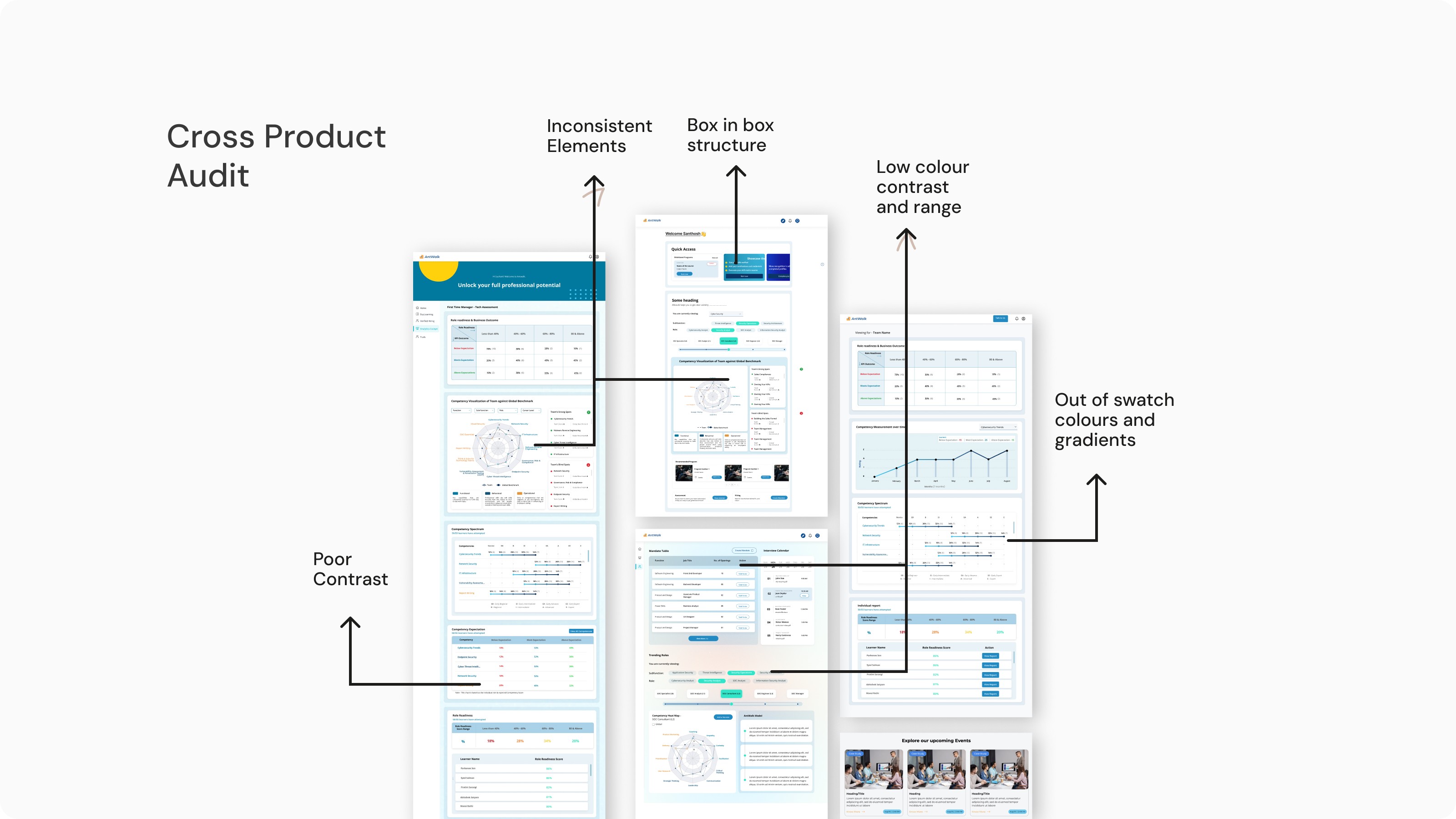
Early audits showed inefficiency and inconsistency were costing speed and clarity across the platform.
Each user role, admins, L&D managers, and learners, was experiencing the product differently. Multi-user workflows felt clunky, and the lack of a shared UI language led to frequent rework. Our early audits, including a component inventory, heuristics review, and quick accessibility checks, showed these weren’t just visual gaps; they were slowing the company’s ability to serve enterprise clients and scale effectively.
I led the UX strategy to build a design system that could grow with the product and the team.
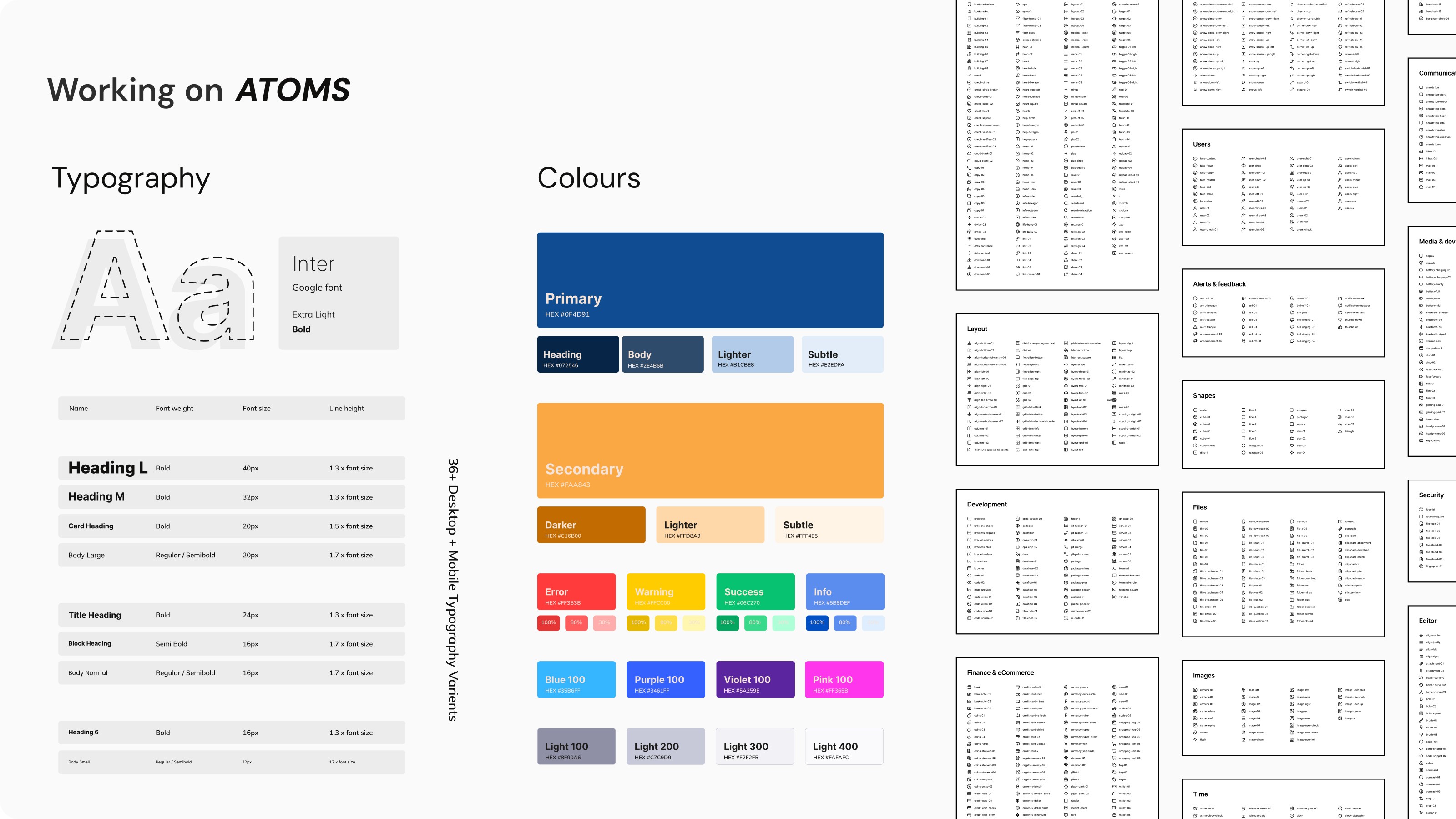
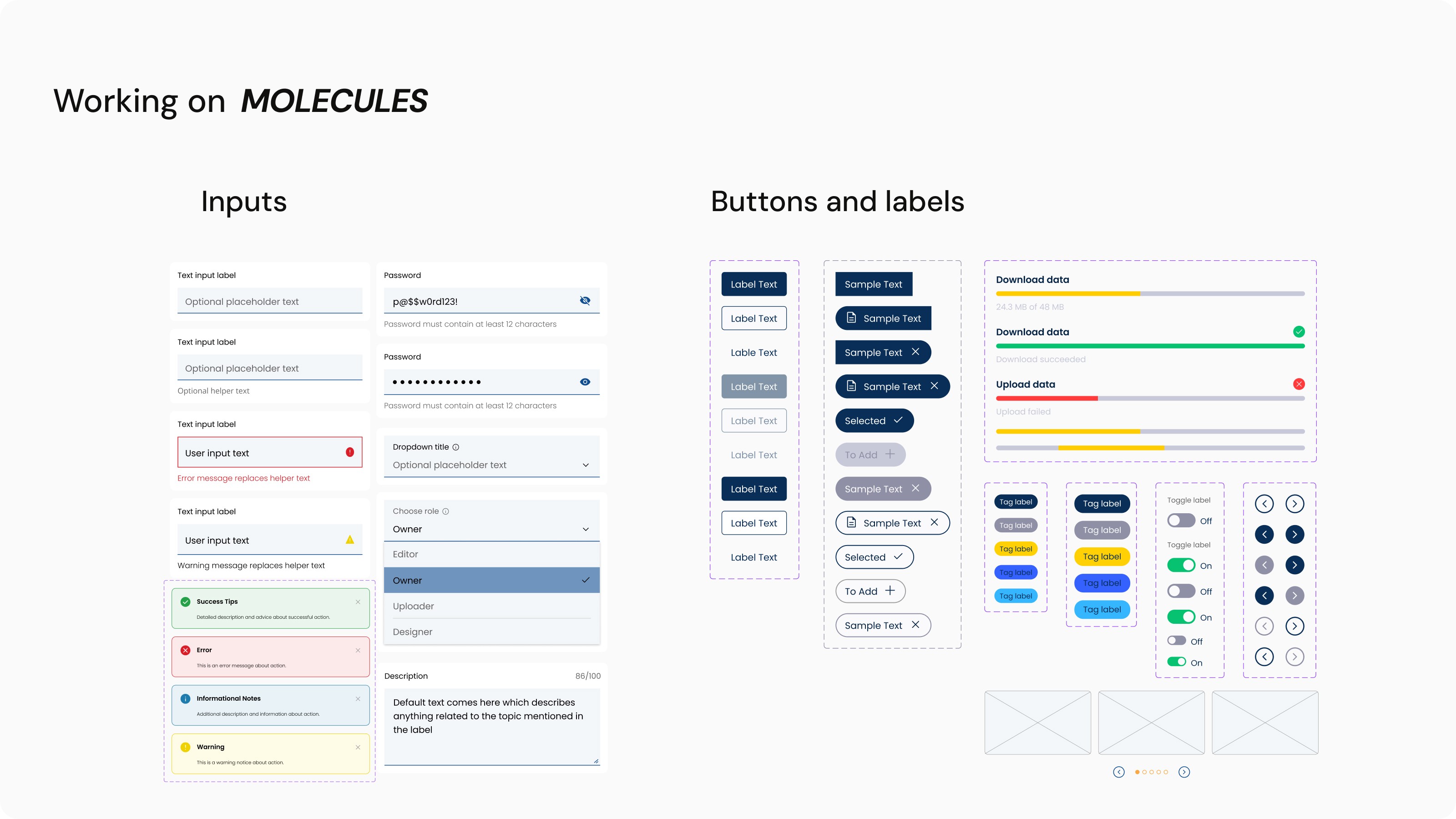
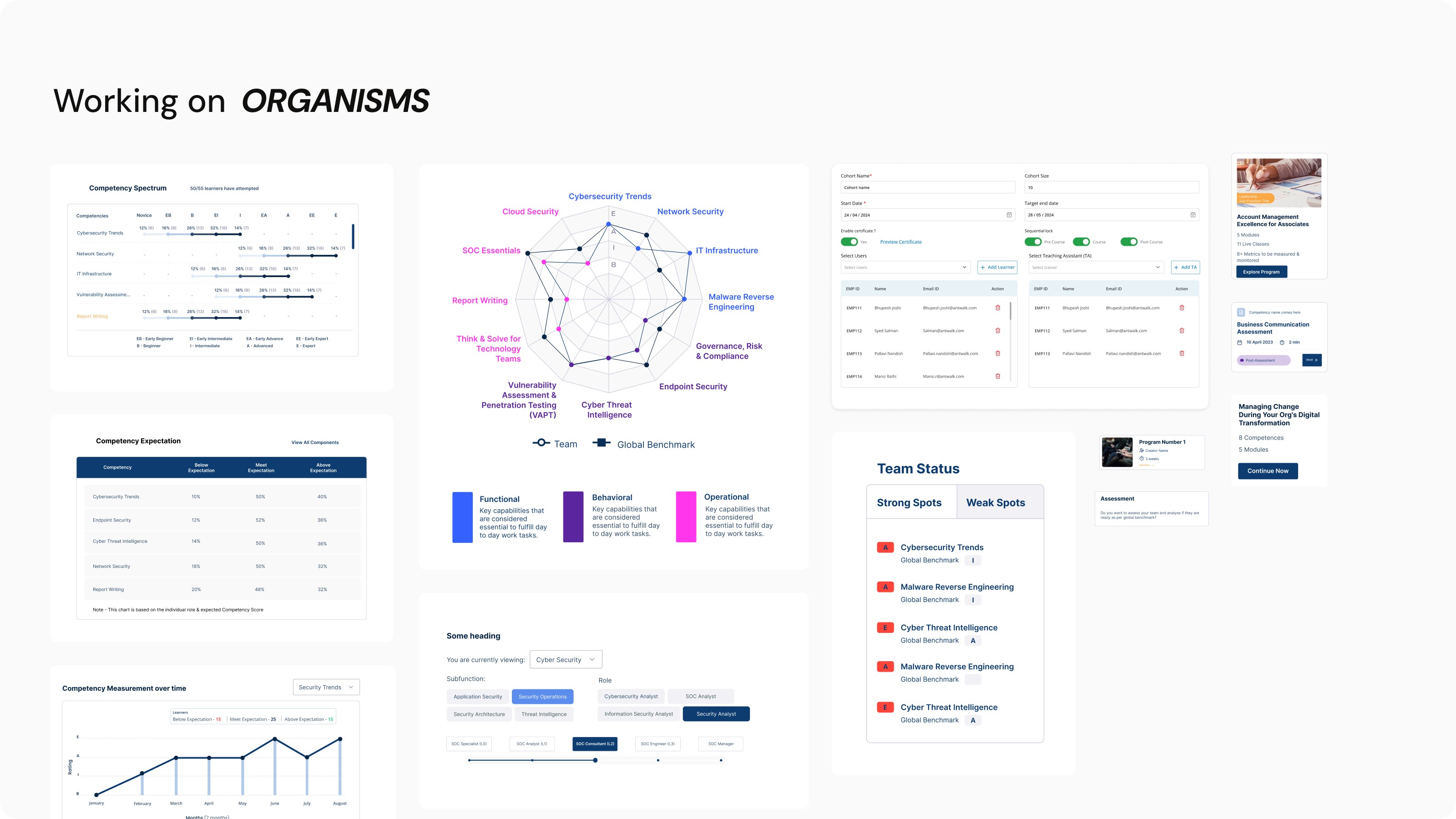
As lead designer, I introduced a scalable atomic design framework, starting with core elements like colours, typography, and buttons, then building up into molecules and full organisms. I worked closely with founders and developers to align the system with both technical constraints and business needs. The result was a shared language that brought design, product, and engineering onto the same page.
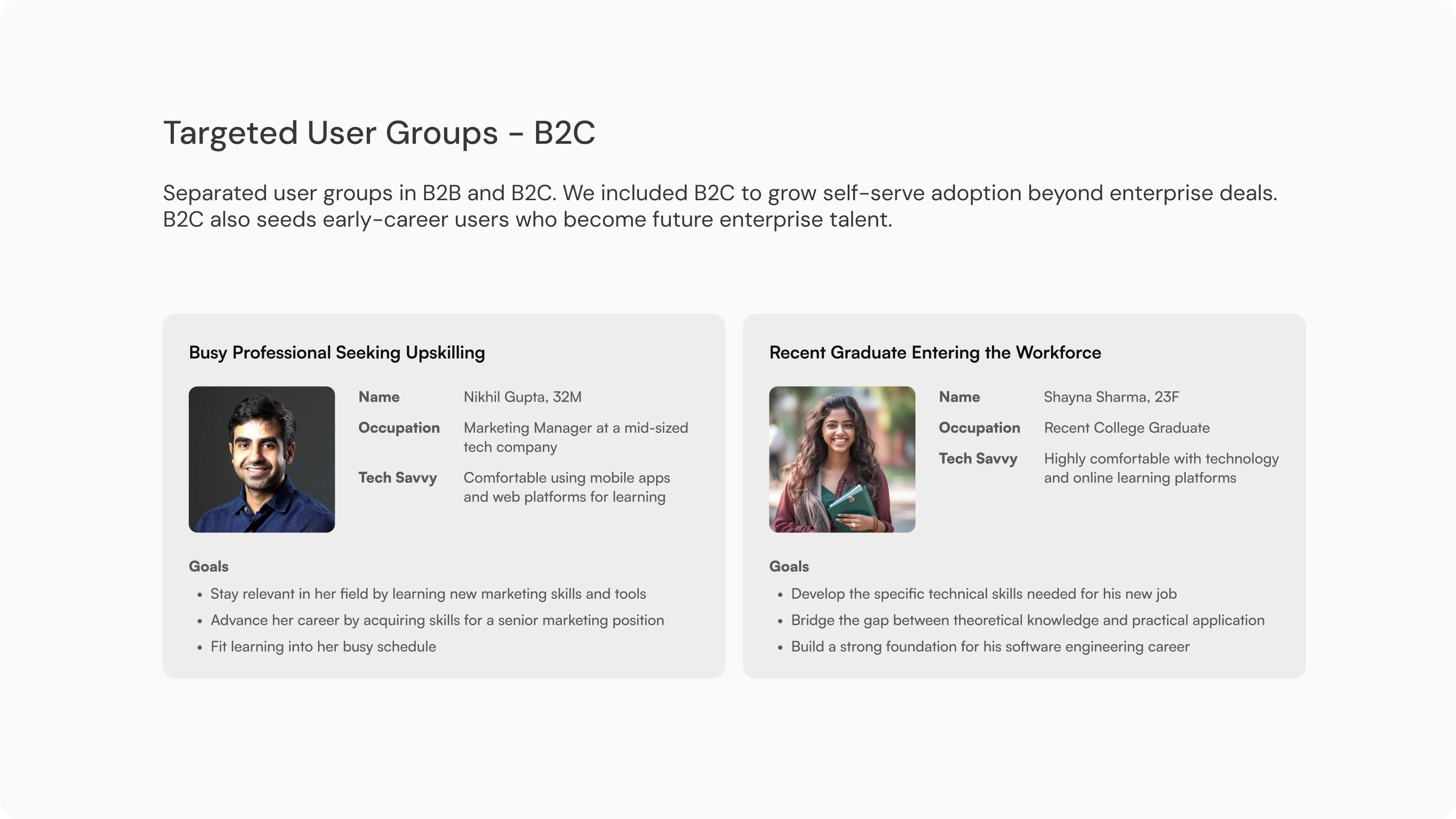
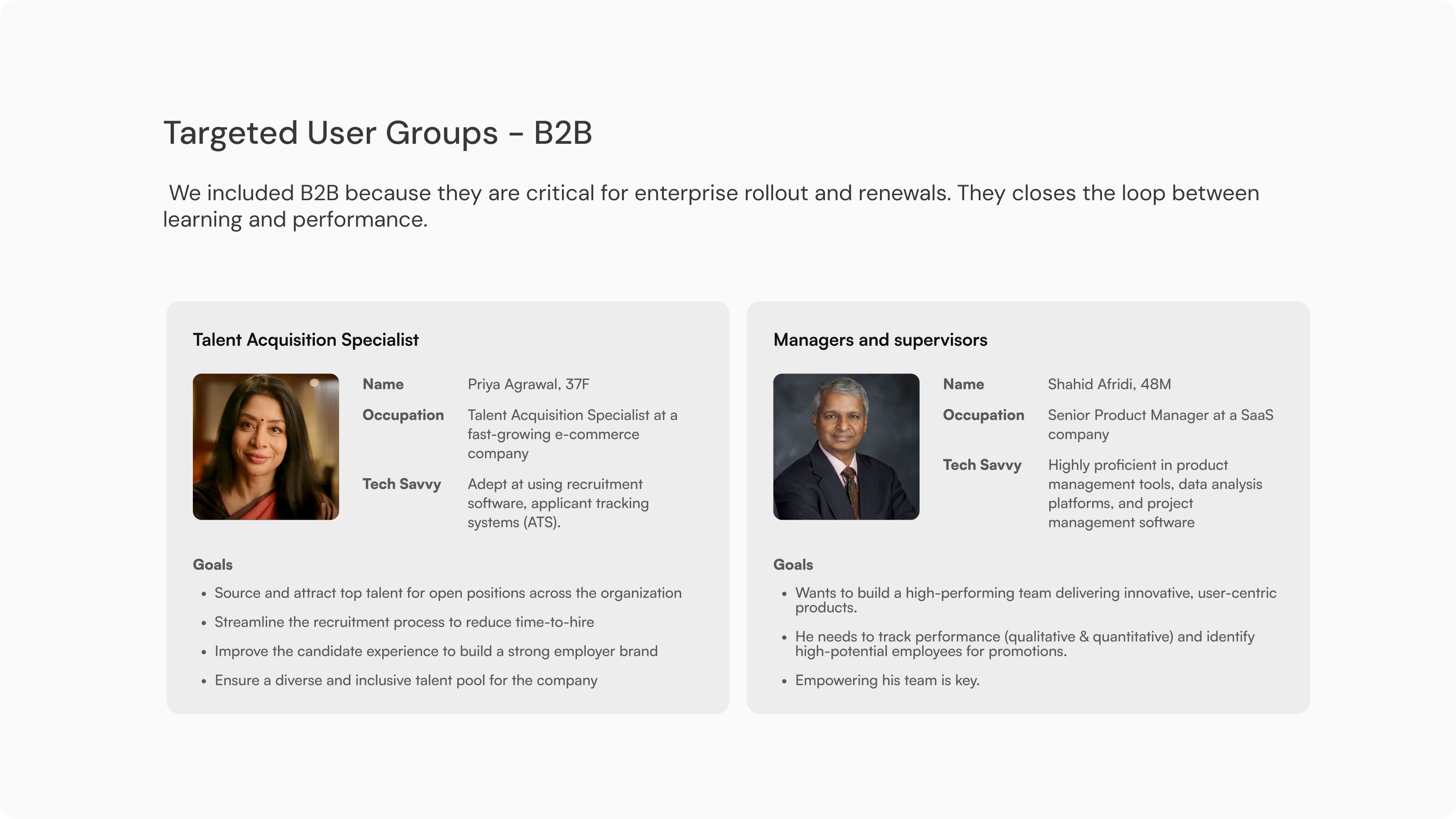
The challenge was to make a design system to unify a multi-user B2B product without slowing delivery.
Designing for admins, managers, and learners meant supporting very different workflows without forking patterns. The system had to lower cognitive load and scale across roles while protecting release velocity. Documentation and governance were as critical as UI polish.
We chose an atomic approach to turn tokens into reusable components that everyone could trust.
We scaled the system by applying atomic design principles, defining tokens for colour, typography, and spacing, then building them up into molecules and organisms. This made components reusable, easy to document, and reliable across every workflow.
- Atomic foundation: Base tokens as a single source of truth
- Reusable molecules: Consistent inputs, navs, and form elements
- Flexible organisms: Dashboards and multi-role headers
- Documentation + scalability: Patterns ready to support new features without rework
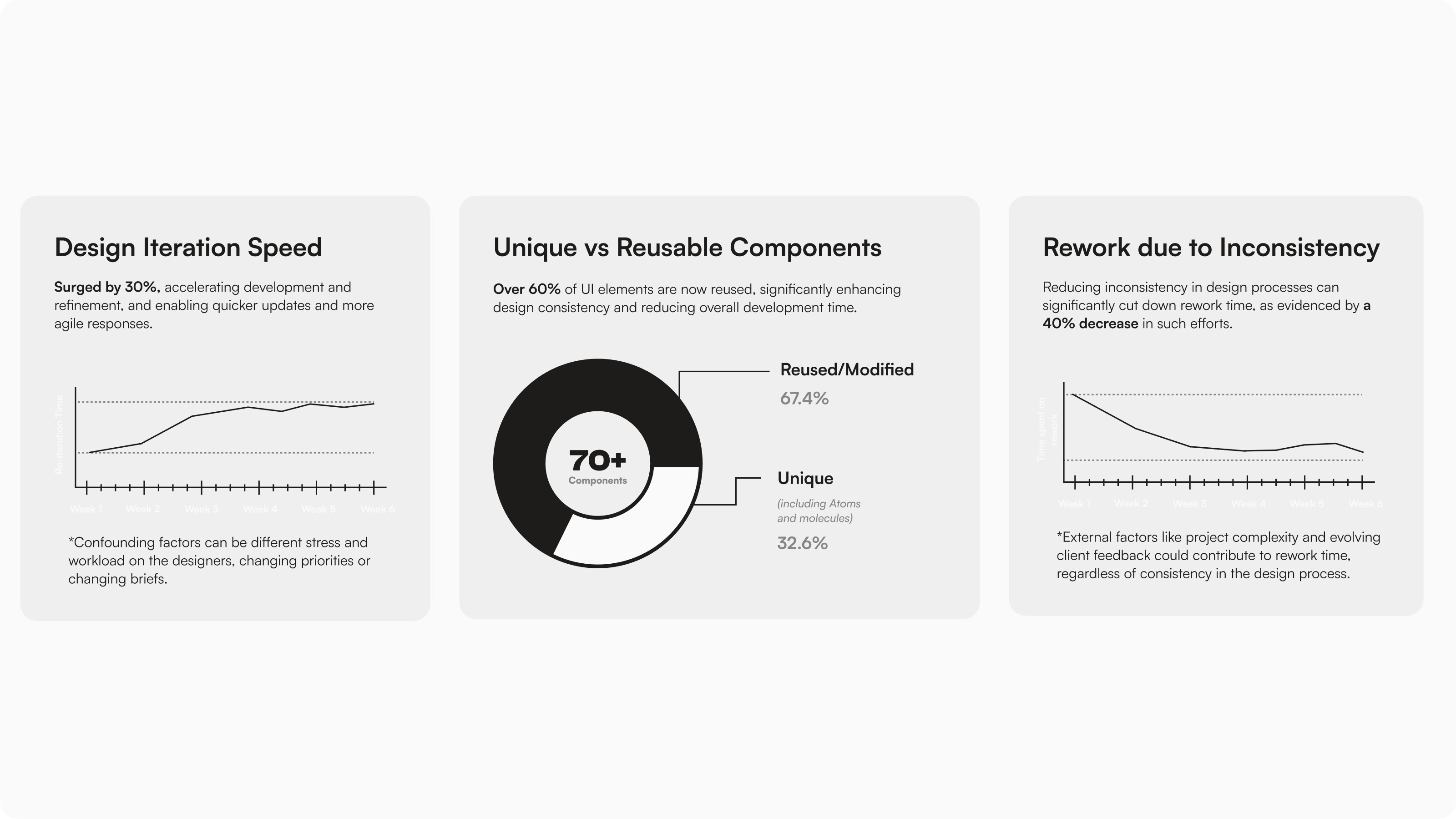
The result: 28.3% faster iterations, smoother and a platform ready to grow.
With a unified system, the product experience became consistent across all roles. retention lifted, and the team shipped features faster without sacrificing quality